
Departments of Transportation play a critical role in maintaining safe, reliable infrastructure. From routine inspections to large-scale repairs, bridge work requires careful coordination, strict safety standards, and efficient use of resources.
For DOT workers and project managers, one of the biggest challenges is ensuring that bridge access is handled in a way that supports both safety and productivity without causing unnecessary disruption to the public. This guide outlines key considerations to help streamline bridge access operations and improve project outcomes.
Understanding the Scope of the Project
Every bridge project starts with a clear understanding of the structure, its condition, and the type of work required. Inspections, maintenance, construction, and utility installations all have different access needs.
Before selecting equipment or planning logistics, it is important to evaluate:
- Bridge design and structural complexity
- Traffic volume and restrictions
- Required reach and platform capacity
- Duration and urgency of the project
Taking the time to assess these factors early helps prevent delays and ensures the right approach is used from the beginning.
Choosing the Right Access Method
Not all access solutions are created equal. Traditional methods may work in certain situations, but they often come with longer setup times and increased disruption.
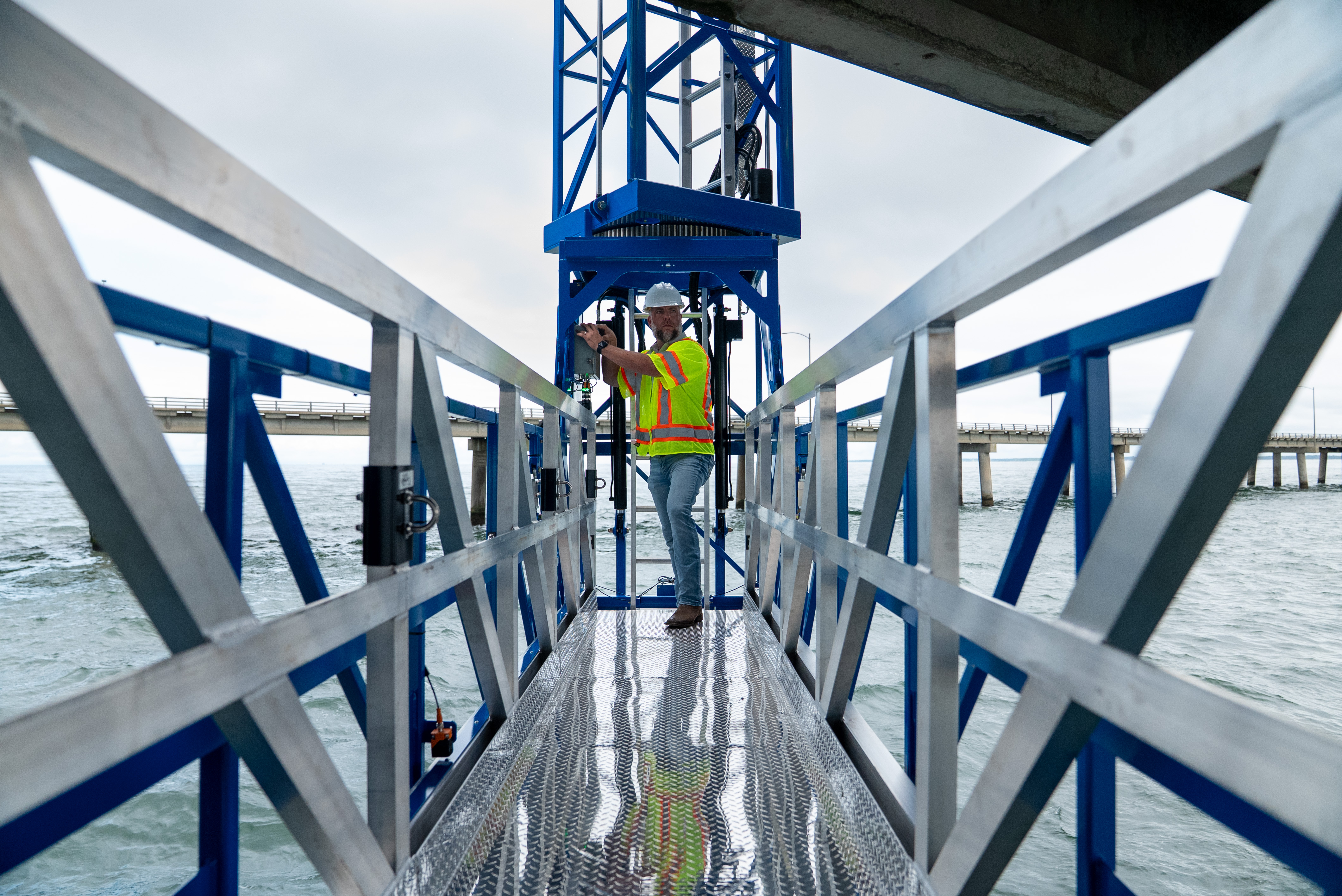
Modern underbridge access equipment provides a more efficient alternative. With the ability to reach a large percentage of bridge structures and deploy quickly, these systems allow crews to begin work faster and complete tasks more efficiently.
For more complex bridges with obstructions or unique designs, specialized equipment such as articulated boom systems may be required to ensure full access.
Minimizing Traffic Disruption
One of the top priorities for DOT workers is keeping traffic moving safely. Lane closures can create congestion, increase the risk of accidents, and lead to public frustration.
Using equipment designed with a minimal footprint can significantly reduce the need for closures. In many cases, work can be performed while maintaining open lanes, which improves safety and reduces the impact on surrounding communities.
Proper planning and coordination with traffic control teams is also essential to ensure that any necessary closures are managed efficiently.
Prioritizing Safety on Every Project
Safety is at the core of every DOT operation. Bridge work presents unique risks, including working at height, operating near traffic, and handling specialized equipment.
To maintain a safe work environment:
- Ensure all operators are properly trained and certified
- Use equipment with built-in safety features and stable platforms
- Follow all regulatory and compliance requirements
- Conduct regular inspections of equipment and work areas
Partnering with providers that offer training and certified operators can help reinforce safety standards and reduce risk on site.
If your team needs additional support, exploring bridge access services and support solutions can help ensure compliance and proper execution throughout the project.
Streamlining Logistics and Coordination
Bridge projects often involve multiple moving parts, including equipment delivery, setup, traffic management, and operator scheduling. Coordinating these elements can be time-consuming and complex.
Working with a single provider that offers turnkey solutions can simplify the process. Having one point of contact for equipment, operators, and support services reduces the chances of delays and miscommunication.
This approach allows DOT teams to focus on oversight and project execution rather than managing multiple vendors.
Improving Efficiency and Project Timelines
Efficiency is key to maintaining infrastructure at scale. The faster a project can be completed without sacrificing quality, the more resources can be allocated to other critical needs.
Modern access solutions help improve efficiency by reducing setup time, minimizing repositioning, and allowing crews to complete more work in less time. This leads to shorter project durations and better use of budgets.
To better understand available options, reviewing underbridge equipment and rental solutions can help identify the most effective approach for your specific project requirements.
Supporting Long-Term Infrastructure Goals
With aging infrastructure across the country, DOT workers are under increasing pressure to complete more projects with limited resources. Choosing the right access solutions plays a major role in meeting these demands.
By focusing on safety, efficiency, and minimizing disruption, DOT teams can improve both immediate project outcomes and long-term infrastructure performance.
Setting the Standard for Smarter Bridge Work
Managing bridge access effectively is about more than just reaching the work area. It is about doing so in a way that supports safety, reduces delays, and maximizes efficiency.
By adopting modern equipment and streamlined processes, DOT workers can take a more proactive approach to infrastructure maintenance and construction.
The result is safer job sites, smoother traffic flow, and stronger, more reliable bridges for the communities that depend on them every day.